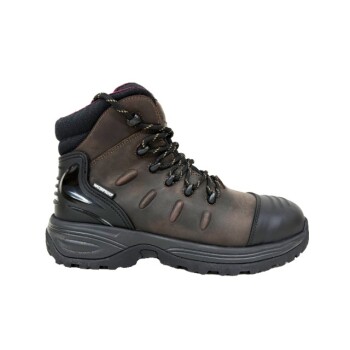
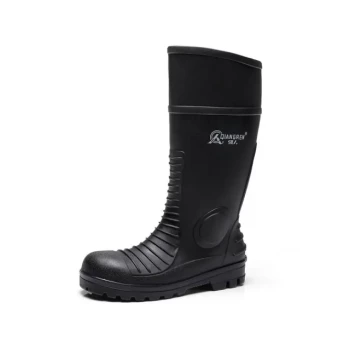
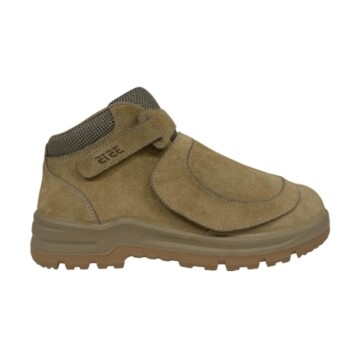
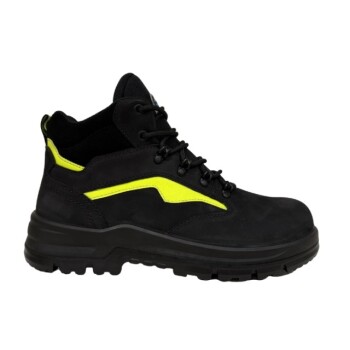
Les bottes de travail résistantes à l'abrasion prolongent la durée de vie des équipements en utilisant des matériaux de haute durabilité spécialement conçus pour résister à l'usure mécanique constante. Dans les environnements extérieurs et semi-extérieurs, ces matériaux agissent comme un bouclier renforcé contre les effets abrasifs des surfaces rugueuses telles que le gravier, le béton et l'asphalte. En empêchant les couches externes de se dégrader sous l'effet de la friction, l'intégrité structurelle de la botte reste intacte pendant une période nettement plus longue.
Les chaussures standard se dégradent rapidement lorsqu'elles sont soumises à la friction d'un terrain accidenté. Les bottes résistantes à l'abrasion atténuent cet effet de « ponçage », prévenant ainsi la dégradation prématurée et réduisant la fréquence des remplacements coûteux d'équipement.
La mécanique de la durabilité
Résistance à l'usure mécanique
La fonction principale des chaussures résistantes à l'abrasion est de contrer l'usure mécanique. Contrairement aux matériaux standard qui s'effilochent ou s'amincissent lorsqu'ils sont frottés contre des surfaces dures, ces matériaux de haute durabilité sont conçus pour maintenir leur liaison et leur épaisseur. Cette résistance est cruciale pour prévenir l'érosion rapide de l'extérieur de la botte.
Résistance aux agresseurs environnementaux
Les environnements de travail extérieurs présentent des menaces spécifiques qui accélèrent l'usure. Des surfaces telles que l'asphalte et le béton agissent comme du papier de verre sur les matériaux souples. Les bottes résistantes à l'abrasion sont construites pour tolérer ce contact continu sans céder leur coque extérieure protectrice.
Le double avantage : longévité et sécurité
Prévention de la dégradation prématurée
L'impact le plus direct de la résistance à l'abrasion est la prévention de la dégradation prématurée. En empêchant le matériau extérieur de s'user, la botte conserve sa forme et sa fonction. Cela se traduit directement par une durée de vie prolongée, car l'équipement n'a pas besoin d'être mis au rebut en raison de trous ou de défaillances structurelles.
Protection contre les débris et les impacts
Une botte qui conserve son intégrité structurelle offre une protection supérieure. Comme le matériau résiste à l'usure, il continue de protéger efficacement les pieds du porteur contre les débris et les risques d'impact. Une botte usée perd sa capacité à dévier les dangers ; une botte résistante à l'abrasion maintient cette barrière de sécurité essentielle.
Comprendre les compromis
Rigidité du matériau
Bien que les matériaux de haute durabilité excellent dans la résistance à la friction, ils peuvent parfois être plus rigides que des alternatives plus souples et moins durables. Cette rigidité est nécessaire pour résister aux surfaces rugueuses, mais peut se traduire par une sensation différente par rapport aux chaussures plus légères.
Coût vs. Fréquence de remplacement
Les bottes résistantes à l'abrasion peuvent avoir un coût initial plus élevé en raison des matériaux spécialisés utilisés. Cependant, ce coût est généralement compensé par la fréquence de remplacement réduite. Il s'agit d'un investissement à long terme plutôt que d'une stratégie d'épargne à court terme.
Faire le bon choix pour votre objectif
Pour sélectionner l'équipement approprié, vous devez peser les exigences spécifiques de votre environnement par rapport aux capacités des chaussures.
- Si votre objectif principal est l'efficacité des coûts : Privilégiez une résistance élevée à l'abrasion pour maximiser la durée de vie de la botte et minimiser l'impact sur le budget des remplacements fréquents.
- Si votre objectif principal est la sécurité : Choisissez des modèles résistants à l'abrasion pour garantir que la barrière protectrice contre les impacts et les débris reste intacte le plus longtemps possible.
Une résistance à l'abrasion de haute qualité transforme un article consommable en un atout durable, garantissant une protection constante dans les environnements les plus difficiles.
Tableau récapitulatif :
| Caractéristique | Chaussures standard | Bottes résistantes à l'abrasion |
|---|---|---|
| Réponse du matériau | Effilochage et amincissement sous friction | Maintient la liaison et l'épaisseur |
| Tolérance à la surface | Se dégrade rapidement sur l'asphalte/béton | Résiste à l'effet « ponçage » |
| Intégrité structurelle | Sujet aux trous et aux défaillances structurelles | Conserve sa forme et sa fonction au fil du temps |
| Taux de remplacement | Fréquence élevée / Coût à long terme plus élevé | Fréquence faible / Actif durable |
| Barrière de sécurité | S'affaiblit à mesure que le matériau s'use | Protection constante contre les débris |
Améliorez votre main-d'œuvre avec des solutions de chaussures durables
En tant que fabricant à grande échelle au service des distributeurs et des propriétaires de marques, 3515 offre des capacités de production complètes pour tous les types de chaussures, soutenues par notre série phare Chaussures de sécurité. Nos bottes résistantes à l'abrasion sont conçues pour transformer un article consommable en un atout durable, réduisant considérablement les coûts de remplacement tout en maintenant des normes de sécurité critiques pour vos clients.
Notre vaste portefeuille couvre les bottes de travail et tactiques, les chaussures d'extérieur, les chaussures d'entraînement et les baskets, ainsi que les chaussures habillées et formelles pour répondre à diverses exigences en vrac. Collaborez avec un fabricant qui comprend l'équilibre entre la longévité des matériaux et l'efficacité des coûts.
Prêt à améliorer votre gamme de produits ? Contactez-nous dès aujourd'hui pour discuter de vos besoins de fabrication en gros !
Références
- Gabriella Cioce, James Davison Hunter. How does informalisation encourage or inhibit collective action by migrant workers? A comparative analysis of logistics warehouses in Italy and hand car washes in Britain. DOI: 10.1111/irj.12359
Cet article est également basé sur des informations techniques de 3515 Base de Connaissances .
Produits associés
- Wholesale Durable Safety Boots | Custom Steel Toe & Puncture-Resistant Manufacturing
- Bottes de travail en cuir durable Fabricant en gros et sur mesure
- Wholesale Durable 6-Inch Work Boots | Custom & Private Label Manufacturer
- Bottes de travail durables en cuir avec trépointe Goodyear pour le commerce de gros et les marques de distributeur
- Bottes de travail en cuir Moc Toe durables pour la vente en gros et la fabrication sur mesure
Les gens demandent aussi
- Quels sont les risques liés à l'utilisation de bottes en caoutchouc ordinaires dans le défrichage forestier ? Pourquoi les chaussures de sécurité professionnelles sont-elles essentielles ?
- Comment nettoyer les chaussures de sécurité pour éviter de les endommager ? Un guide doux pour préserver vos bottes
- Pourquoi le stockage approprié est-il important pour les chaussures de sécurité ? Préserver la protection et prolonger la durée de vie
- Quelles sont les conséquences du non-port de bottes de sécurité ? Protégez vos finances et votre carrière
- Quels matériaux sont couramment utilisés pour les semelles extérieures des bottes de sécurité ? Un guide sur la durabilité, l'adhérence et le confort